What This Page Covers
A crack in a basement wall is usually a water problem before it is a structural one. Even a hairline crack lets groundwater seep in during heavy rain, leaving stains, dampness and that musty smell. We focus on poured-concrete and block basement walls and the cracks that let water through.
Basement Wall Crack Repair in Glen Allen & the Henrico–Hanover area
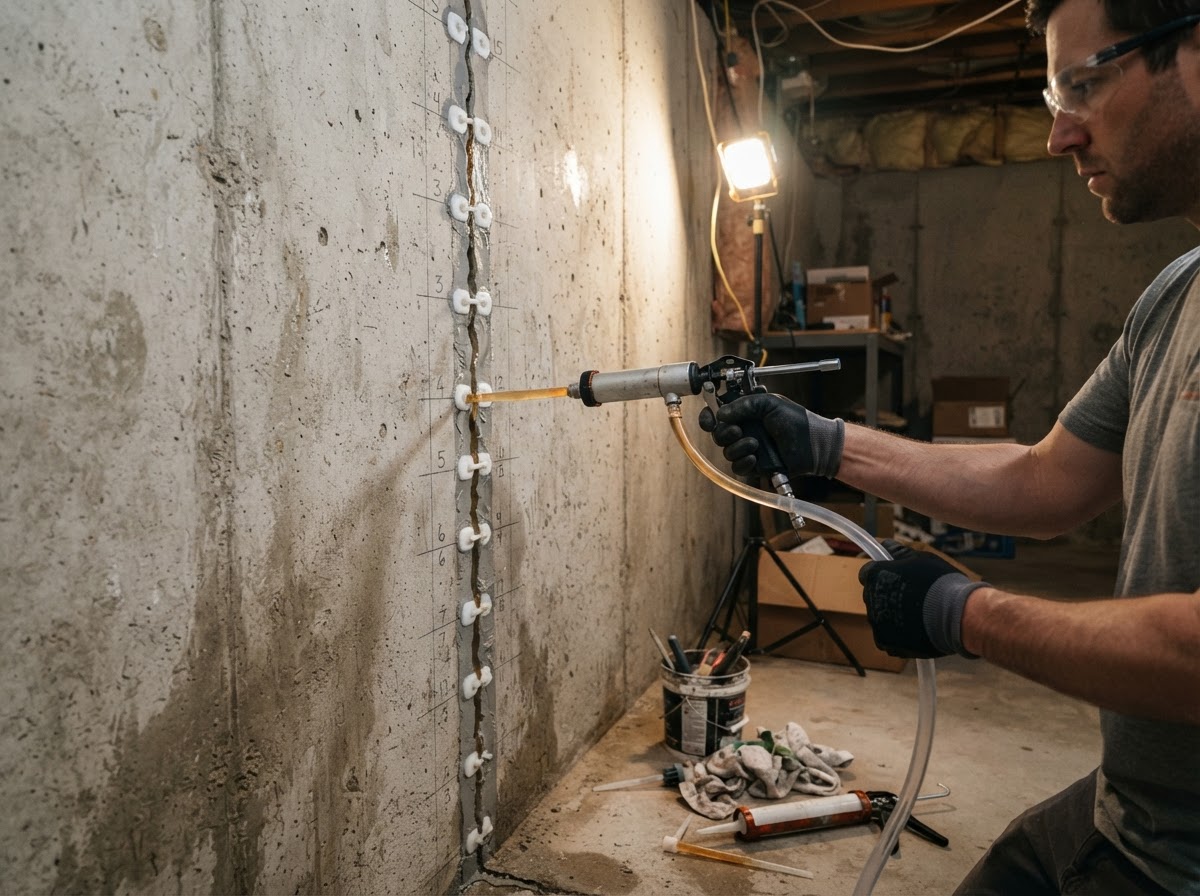
A crack in a basement wall is usually a water problem before it's a structural one. Even a hairline crack in poured concrete lets groundwater seep in during heavy rain, leaving damp spots, mineral stains, and that musty basement smell. We focus on poured-concrete and block basement walls and the cracks that let water through. Most repairs happen from the inside with no digging: polyurethane injection for a flexible, waterproof seal that moves with the wall, or epoxy where the crack also needs strength. When a basement crack points to a bigger structural issue — a wall bowing inward, for example — we say so and point you to the right repair instead of just sealing over it.
Proud to Serve Glen Allen & the Henrico–Hanover Area
We work throughout Glen Allen and the towns around it. If your home is in any of these communities, we can come take a look.
- Mechanicsville, VA Hanover County
- Laurel, VA Henrico County
- Short Pump, VA Henrico County
- Tuckahoe, VA Henrico County
- Highland Springs, VA Henrico County
- Lakeside, VA Henrico County
- Ashland, VA Hanover County
What's Included
Leaking crack diagnosis
We find which cracks are letting water in and whether they're also a structural concern.
Polyurethane injection
A flexible seal that fills the crack and stays watertight as the wall shifts with the seasons.
Epoxy injection
A stronger bond for cracks that need to restore the wall's strength as well as stop water.
Block wall crack care
Cracks in block basement walls are read for bowing and sealed or reinforced as needed.
Water-source guidance
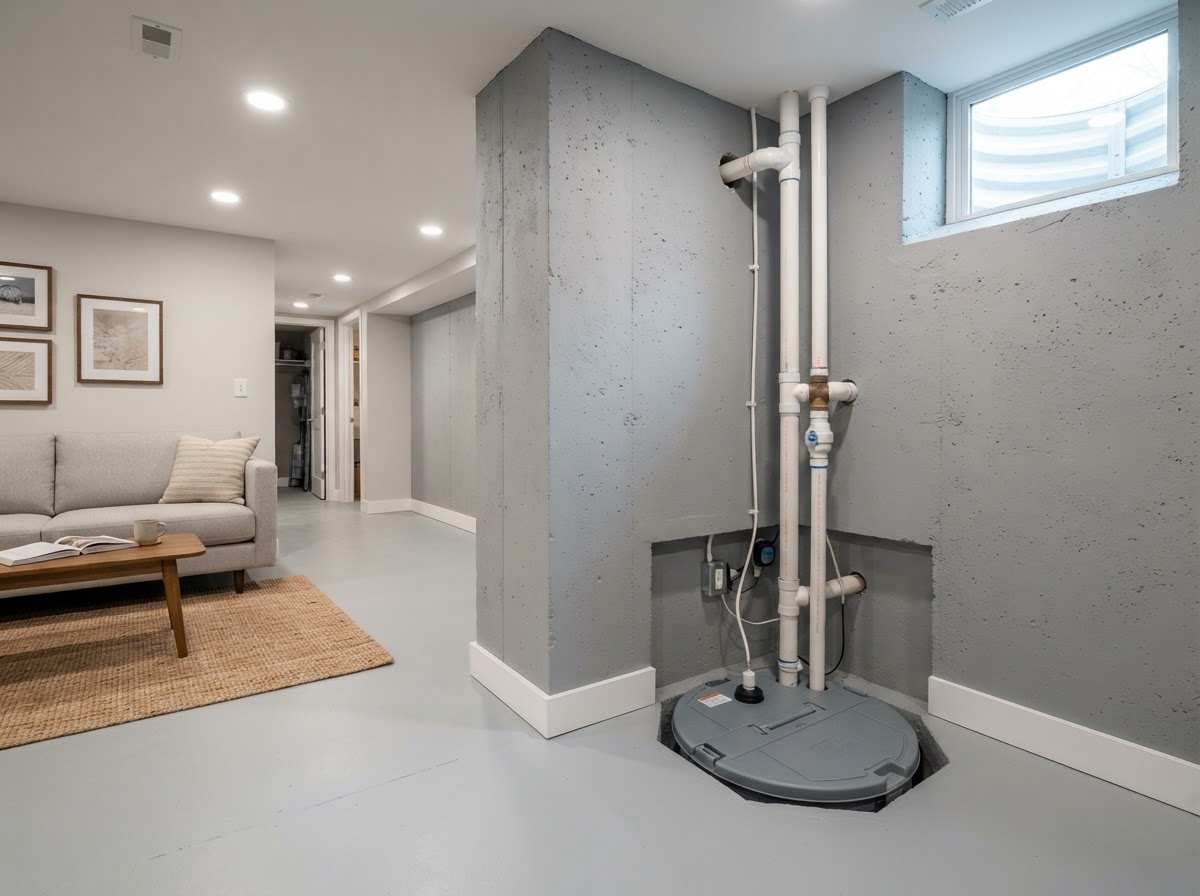
We flag drainage or grading issues outside that are feeding water to the crack.
Why This Happens in Glen Allen
Basement wall cracks and water go together in our climate. Glen Allen and the surrounding Henrico–Hanover towns get more than 40 inches of rain a year, and our clay-heavy soil holds that water against foundation walls instead of draining it away. When the soil swells with moisture, it pushes against the wall; when water finds a path through, even a tiny crack becomes a leak. Older poured-concrete and block basements across this area have decades of that wet-dry cycling behind them, and many homes were built before modern waterproofing. So a basement crack here isn't just a line in the concrete — it's usually the path of least resistance for water that's already pressing against the wall.
How to Help Prevent It
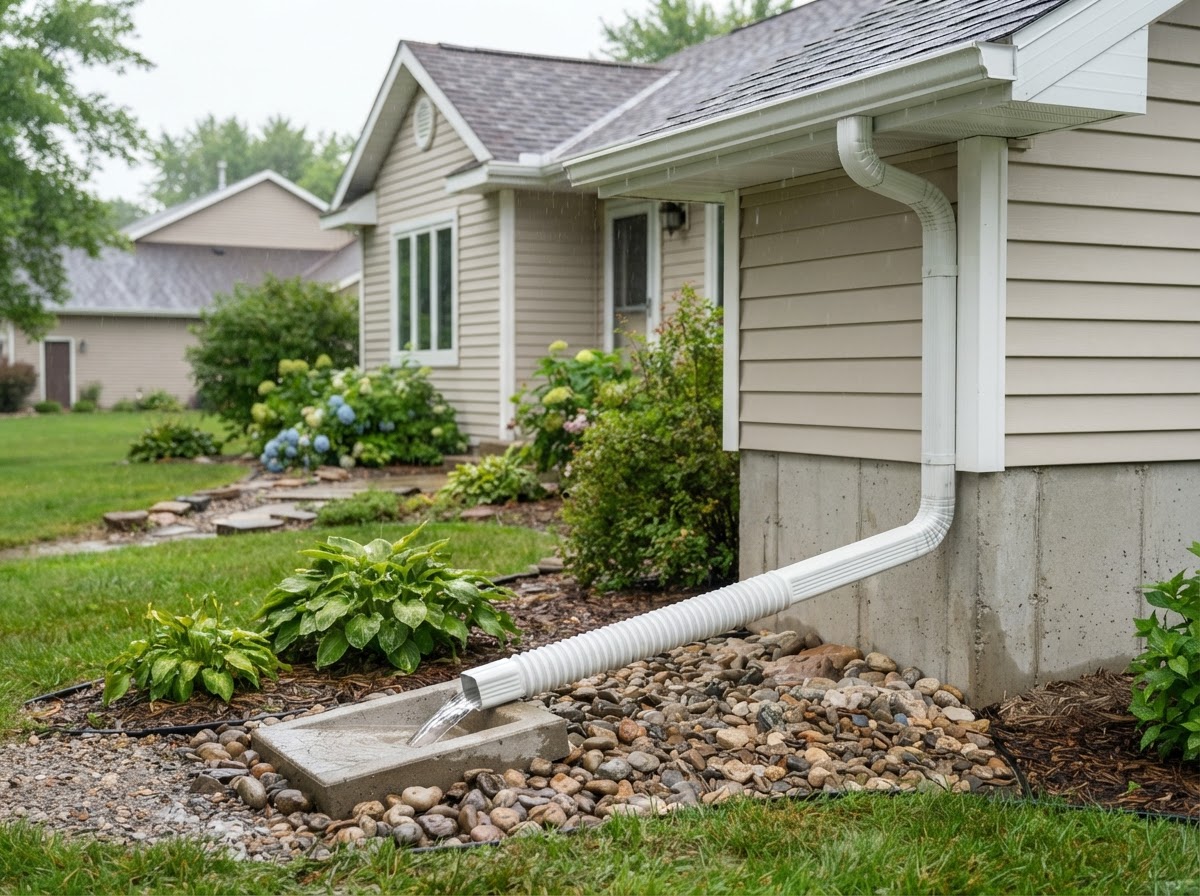
Keep water away from the wall and the crack stays drier. Clear gutters and extend downspouts at least several feet from the foundation, and slope the soil so it drains away. Avoid planting beds that trap water right against the basement wall. Inside, a dehumidifier keeps the air dry enough that even minor seepage evaporates instead of smelling. If you spot a new damp line or stain, don't wait — water through a crack tends to widen the crack over time.
Basement Wall Crack Repair Cost Guide
We won't invent a price before we've seen your home. Here's what affects the cost of each kind of repair.
| Repair type | Typical price | What affects cost |
|---|---|---|
| Single crack injection | Free quote after inspection | Crack length and whether polyurethane or epoxy is the right material for it. |
| Multiple leaking cracks | Free quote after inspection | How many cracks, their size, and whether they share a common water source. |
| Crack with structural concern | Free quote after inspection | Whether the wall is also bowing and needs reinforcement beyond sealing. |
Why Choose Us for Basement Wall Crack Repair
Interior repair, no digging
Most basement crack repairs are done from inside, so your yard and landscaping stay intact.
Water stopped, cause flagged
We seal the crack and tell you if drainage outside is feeding it, so it doesn't leak again.
Honest about what's structural
If a crack signals a bowing wall, we say so and point you to the right repair, not a patch.
Concerned About basement wall crack repair?
A free, honest visit settles the question. We'll look carefully and tell you plainly what your home needs.
Our Process
- 1
Basement inspection
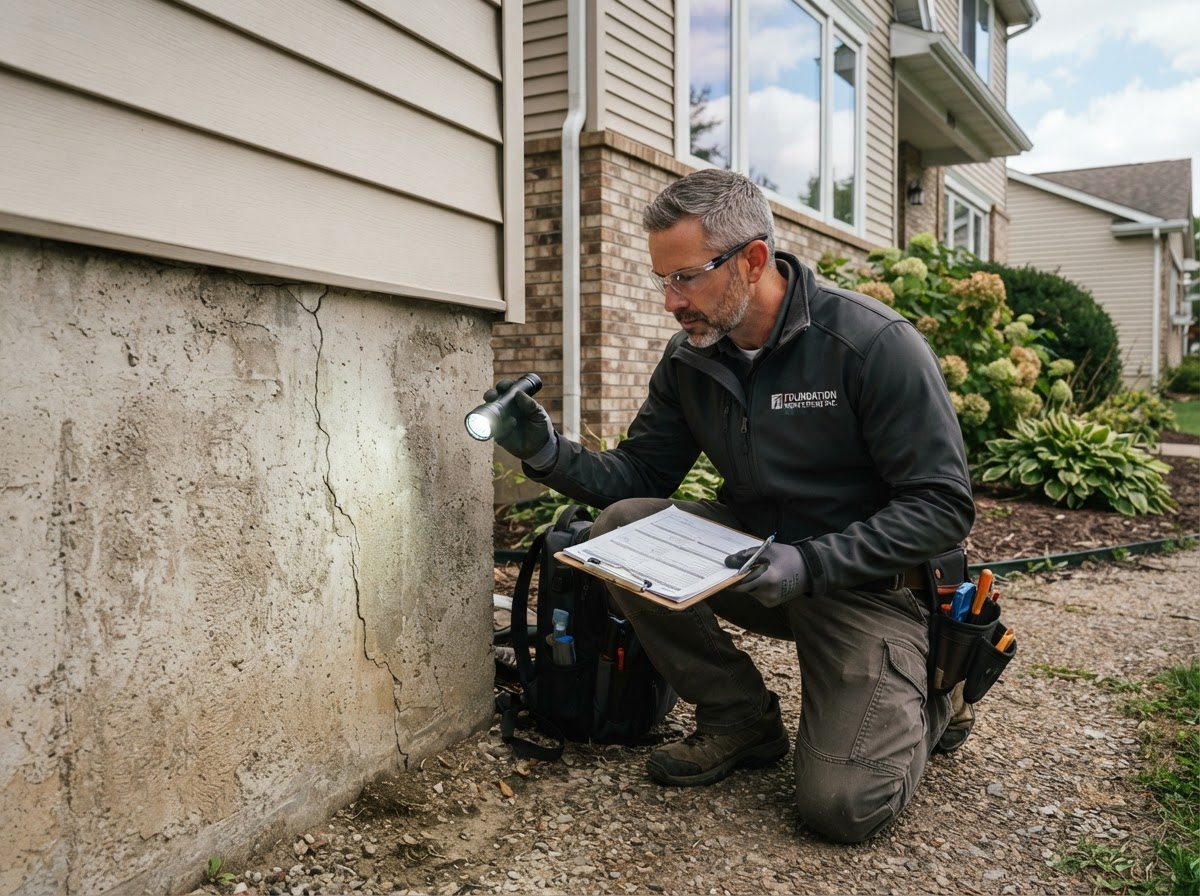
We trace the crack, look for water entry, and check whether the wall is also bowing.
- 2
Honest assessment
We tell you whether it's a water-only crack or one with a structural side to it.
- 3
Injection repair
The crack is injected from inside with the material that fits — flexible, strong, or both.
- 4
Water-source guidance
We flag any drainage or grading fixes that would keep the crack dry long-term.
Basement Wall Crack Repair FAQ
Questions we hear most about this repair. Call us with anything else.
Is a leaking basement crack an emergency?
Usually it's not an emergency, but it shouldn't be ignored. A slow seep or damp stain means water has a path in, and that path tends to widen over freeze–thaw cycles and wet seasons. The exception is a crack that's gushing during rain or one paired with a wall bowing inward — those warrant a quicker call. Most leaking cracks are a same-week repair, not a middle-of-the-night one, and sealing them promptly prevents the crack from growing and the basement from getting damper.
Can you fix a leaking crack from the inside without digging up my yard?
Yes, in most cases. Injection repair is done from inside the basement — we inject polyurethane or epoxy into the crack, where it fills and seals the full depth of the wall. No excavation, no disruption to landscaping. It's effective for poured-concrete walls and is our default approach for a leaking crack that's purely a water issue. If the crack is part of a larger structural problem, the repair may differ, and we tell you that upfront.
How do I know if a basement crack is more than just water?
Signs that a basement wall crack has a structural side: the wall is bowing or leaning inward, the crack is horizontal or stair-step rather than vertical, it's wider than about 1/8 inch, or it's growing. A simple vertical hairline crack that seeps a little is usually just water. When we inspect, we check the wall for plumb and read the crack's shape so we can tell you honestly whether sealing is enough or whether the wall needs reinforcement.
Our Other Services
Foundation problems often overlap. Here are the other repairs we handle across Glen Allen & the Henrico–Hanover area.
Get Your Free Estimate
Tell us what's going on. We'll call you back to schedule a free, no-pressure look at your foundation.
No obligation. We answer questions honestly and never pressure homeowners into repairs they don't need.