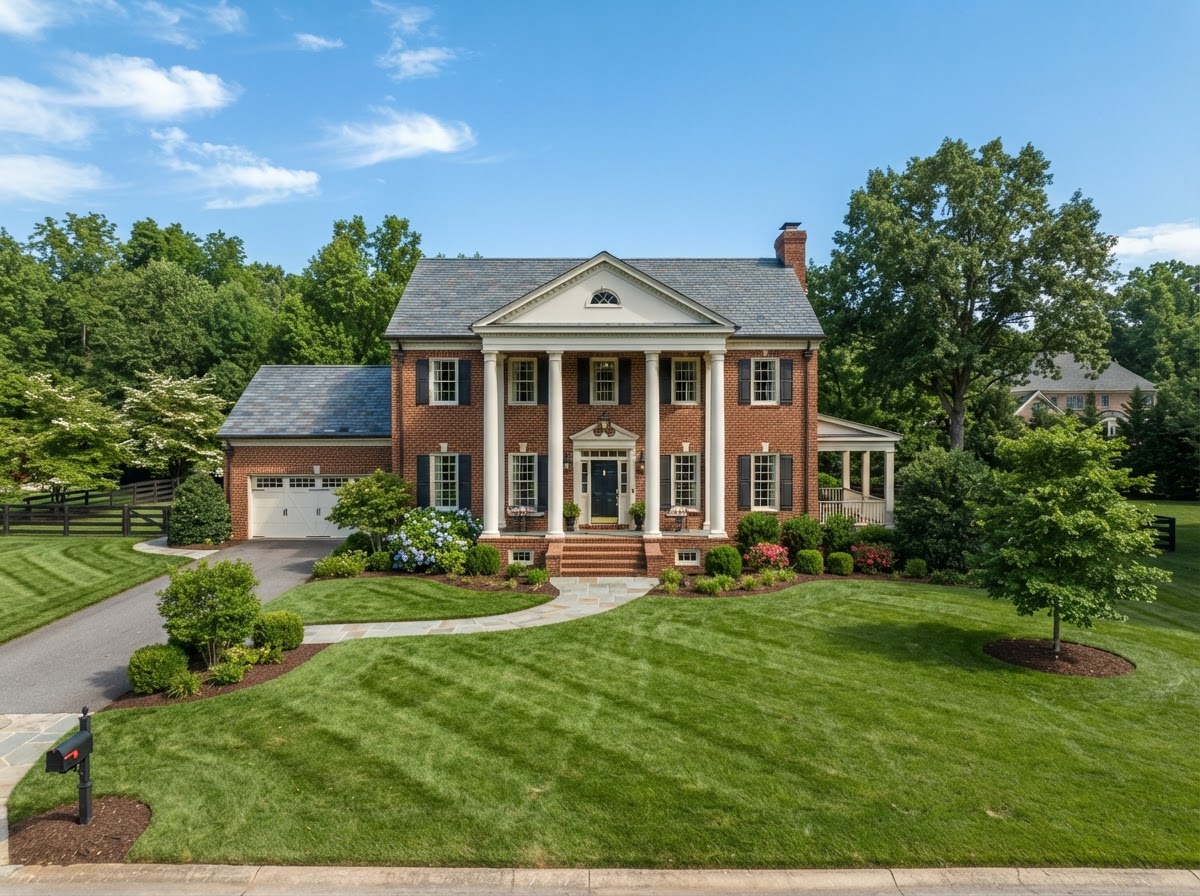
Fast, careful foundation help in Ashland
Ashland — the self-proclaimed 'Center of the Universe' — has a wonderfully wide range of older homes, and that means a wide range of foundation stories. If your Ashland home is showing cracks, settlement, or a damp basement, give us a call. We understand the variety of foundations in this Hanover town and how the local soil moves them. A free visit gets you an honest answer about what's going on. Call now to schedule a no-pressure look.
Our Services in Ashland
Whatever your Ashland home is doing, there's a repair built for it. Each service below covers one problem in depth.
About Ashland & Why Local Matters
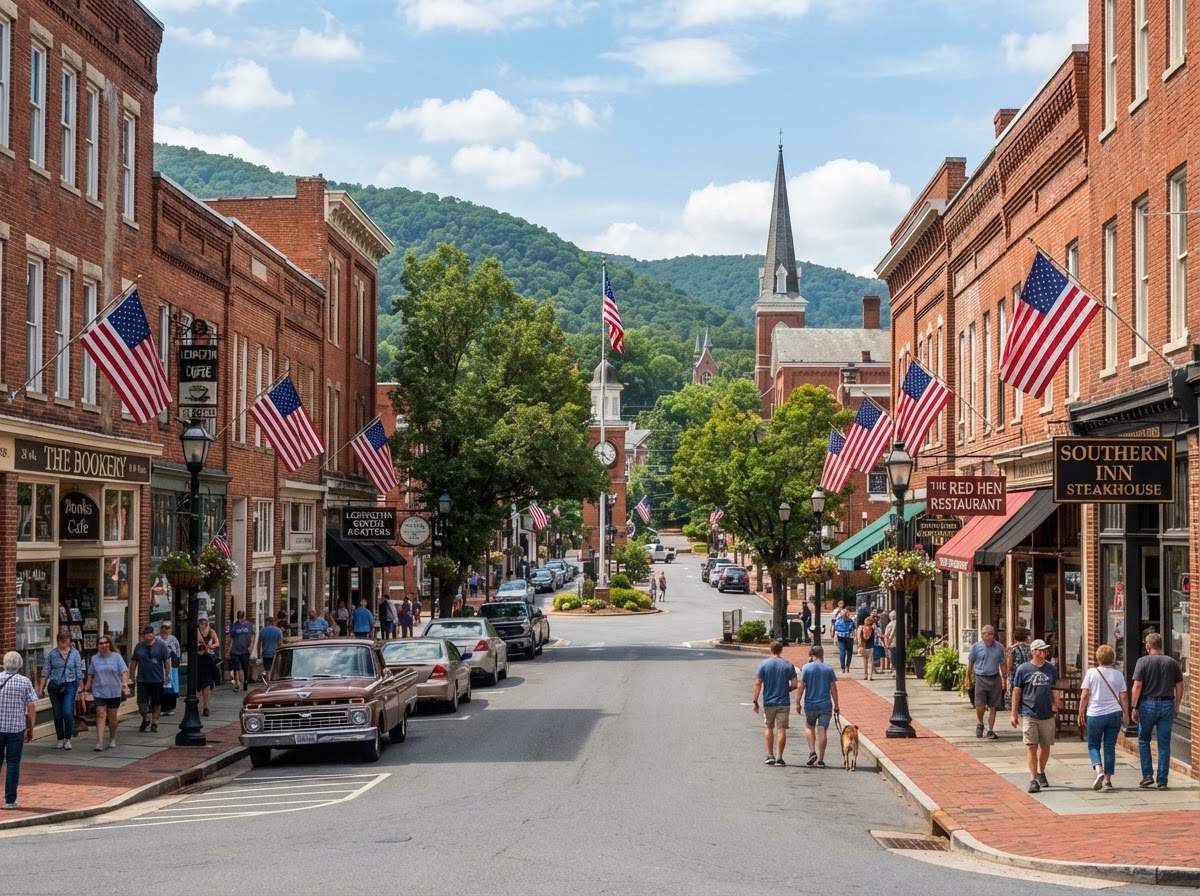
Ashland is a charming Hanover County town north of Glen Allen, home to Randolph-Macon College and affectionately known as the 'Center of the Universe.' Its housing stock runs a wide gamut — historic homes near the college, mid-century neighborhoods, and newer construction on the edges — so the foundations vary as much as the architecture. The older homes, some over a century old, have foundations that have been through more freeze–thaw cycles and wet seasons than most, and the town's clay-heavy soil swells and shrinks with the same 40-plus inches of annual rain as the rest of the region. Ashland's position in Hanover puts some homes on soil that shifts between the Piedmont and Coastal Plain transition nearby, which can mean uneven settlement from one side of a lot to the other. Because the home styles and ages vary so much here, we never assume — each Ashland foundation gets read on its own terms. The town's railroad history and college-town character make preserving its older homes a priority for the people who live there.
Read more about the community on the Ashland, Virginia Wikipedia page.
Common Foundation Issues in Ashland
Ashland's foundation issues are the most varied of any town we serve, because the housing spans more than a century of construction. The oldest homes near Randolph-Macon College have stone or old brick foundations that have weathered generations of clay-soil movement and freeze–thaw, often showing settlement and crumbling mortar. Mid-century neighborhoods have the block and poured foundations common across the corridor, with the usual sloping floors and sticking doors from decades of clay cycling. Newer construction on the edges can settle on compacted fill like any young subdivision. A distinctive Ashland factor is the Piedmont–Coastal Plain transition: soil can differ from one side of a lot to the other, so one wing of a home may settle differently than the rest. That variety is exactly why a one-size-fits-all answer doesn't work here — we read each home's era, foundation type, and soil to recommend the right fix.
Signs to Watch for in Ashland Homes
- Settlement and crumbling mortar in the oldest stone or brick foundations
- Sloping floors and sticking doors in mid-century block-foundation homes
- Hairline drywall cracks in newer construction on the town's edges
- One wing or side of a home settling differently than the rest
- Basement dampness or wall cracks in homes near the college
- Cracks that follow the freeze–thaw and wet-season cycle
Why Ashland Homeowners Choose Us
Comfortable with variety
From century homes to new builds, Ashland's wide range of foundations is familiar territory.
Hanover soil expertise
We understand how Ashland's position on the Piedmont–Coastal Plain transition affects settlement.
Care for historic homes
Older Ashland homes get repairs that respect their age and preserve their character.
Era-by-era reading
We adjust our diagnosis to the construction era and foundation type of your specific home.
Get Your Free Estimate in Ashland
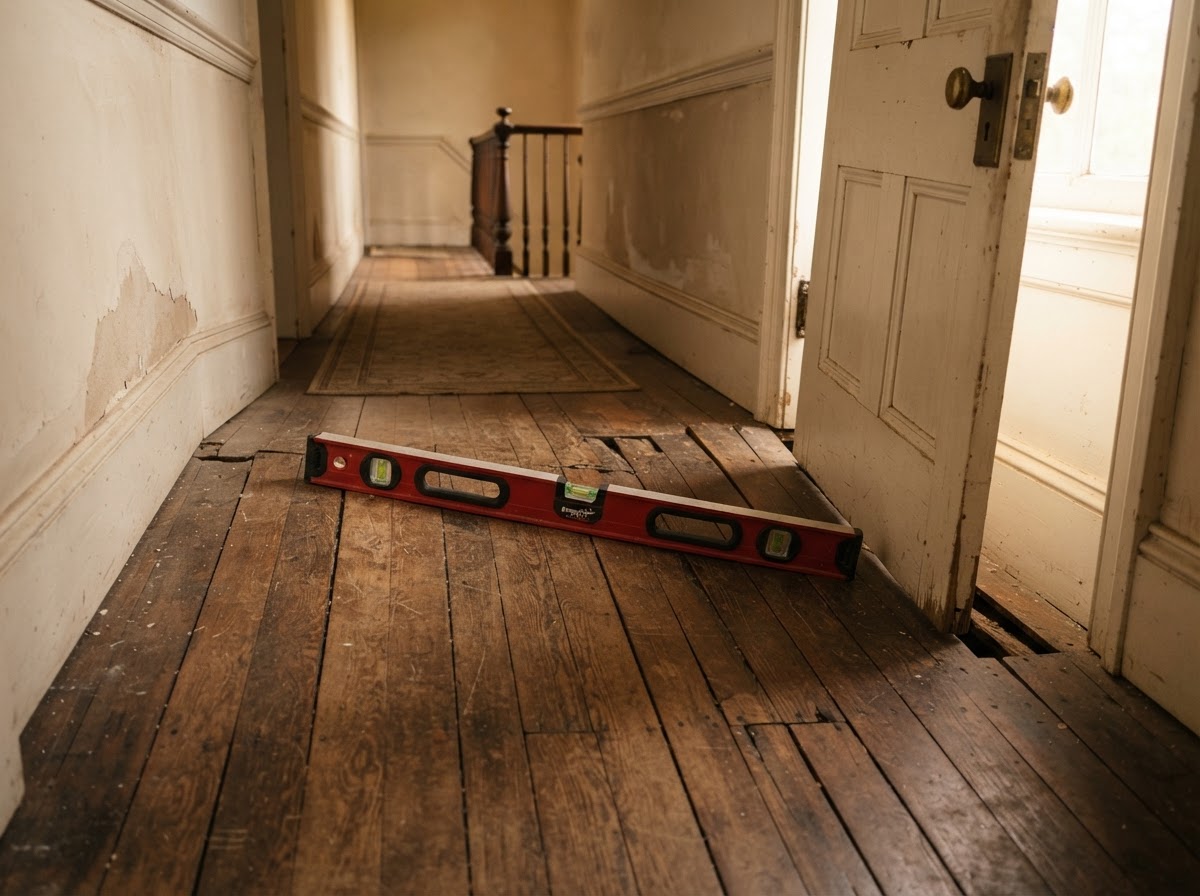
If your Ashland home is showing signs of foundation trouble, a free, honest visit settles the question. We'll look carefully and tell you plainly what it needs.
Nearby Areas We Serve
We work across Glen Allen & the Henrico–Hanover area. Here are the other communities around Ashland we help, plus our home market.
Request a Free Estimate in Ashland
Tell us what's going on. We'll call you back to schedule a free, no-pressure look at your foundation.
No obligation. We answer questions honestly and never pressure homeowners into repairs they don't need.