Fast, careful foundation help in Short Pump
Short Pump is a tale of two housing eras — newer subdivisions on compacted fill sitting beside older homes — and each has its own foundation story. If your Short Pump home is settling or cracking, we'll figure out which story yours is and what to do. A free visit gets you an honest read and a clear plan, or peace of mind if nothing's wrong. Call now to schedule a look at your foundation.
Our Services in Short Pump
Whatever your Short Pump home is doing, there's a repair built for it. Each service below covers one problem in depth.
About Short Pump & Why Local Matters
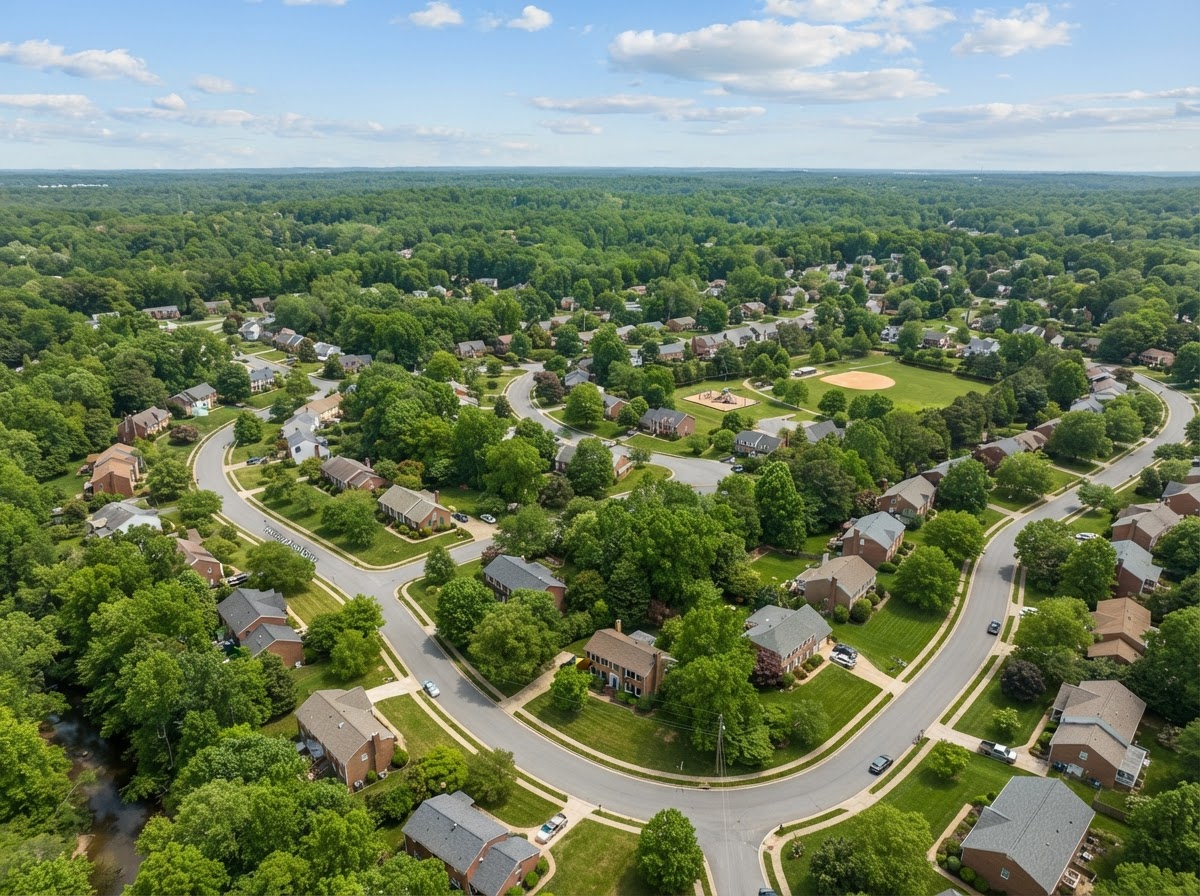
Short Pump is Henrico County's busy western hub, known for its shopping and rapid growth, and the housing reflects that: large subdivisions of newer homes built over the last couple of decades, often on compacted fill, alongside pockets of older construction. That creates two very different foundation profiles. The newer homes on fill can settle as that fill consolidates over the first years, producing hairline cracks, sticking doors, and the occasional corner that drops. The older homes face the same clay-soil cycling as the rest of the corridor. Short Pump's clay-heavy soil still swells and shrinks with the seasons, and the area's heavy runoff during storms puts pressure on basement and foundation walls. Because the construction styles differ so much within one community, we never assume — we read each Short Pump home on its own and match the repair to what's actually underneath it. Short Pump takes its name from a historic tavern and pump along the old Mountain Road, a reminder that beneath the modern growth sits an older Virginia landscape.
Read more about the community on the Short Pump, Virginia Wikipedia page.
Common Foundation Issues in Short Pump
In Short Pump we see a clear split by age. The newer subdivisions, many built on compacted fill in the last 10 to 25 years, commonly show early settlement signs: hairline drywall cracks, doors that stick, and sometimes a corner that drops as the fill beneath it consolidates. These are very fixable when caught early, often with piers to a corner before the movement spreads. The older pockets of Short Pump deal with the familiar clay-soil cycle — swelling in wet seasons, shrinking in dry ones — that drives settlement and bowing walls over decades. Heavy storm runoff across the area's large paved surfaces can also concentrate water against foundations, adding to basement wall pressure. The repair depends on which era your home belongs to and what's under it, so a free inspection that reads the specific home is the right first step.
Signs to Watch for in Short Pump Homes
- Hairline drywall cracks appearing within the first years after construction
- Doors or windows that stick in a newer subdivision home
- A corner of the home that appears to be dropping
- Cracks in the foundation or slab that widen over time
- Water pooling against a foundation after storms due to runoff
- Basement walls that seep or bow inward in older pockets
Why Short Pump Homeowners Choose Us
We read fill vs. older soil
Newer Short Pump subdivisions settle differently than older homes, and we know which is which.
Catch fill settlement early
Settling on compacted fill is very fixable when caught early — we tell you before it grows.
Local, quick visits
Short Pump is a short trip from our Glen Allen base, so free estimates happen fast.
Runoff-aware
We factor in how Short Pump's heavy paved runoff concentrates water against foundations.

Get Your Free Estimate in Short Pump
If your Short Pump home is showing signs of foundation trouble, a free, honest visit settles the question. We'll look carefully and tell you plainly what it needs.
Nearby Areas We Serve
We work across Glen Allen & the Henrico–Hanover area. Here are the other communities around Short Pump we help, plus our home market.
Request a Free Estimate in Short Pump
Tell us what's going on. We'll call you back to schedule a free, no-pressure look at your foundation.
No obligation. We answer questions honestly and never pressure homeowners into repairs they don't need.